Contract manufacturing
Ship on the date you promised
Your customers buy on delivery date. Euler watches every printer in the hall and tells your team the moment a build goes wrong, so a lost build costs hours, not the days until someone finds it, and every delivery goes out with its report.
On the shop floor
What changes on the shop floor
Today: A recoater collision at 2 a.m. runs for six more hours before anyone sees it. The plate is scrap and the machine needs a blade.
With Euler: The alert reaches the on-call operator by email, Slack or Teams. They open the images on their phone and decide whether to stop.
Today: Inspecting a build means scrolling through a thousand images by hand, so it only happens when something already looks wrong.
With Euler: Every layer is checked as it arrives. Operators review the critical sections Euler flags, not the whole build.
Today: Customers ask for process documentation and get a few screenshots and an email.
With Euler: Every finished build has a one-page report. Send it as PDF, or share the print as a link your customer can open.
Alerts
The right person hears about it, wherever they are
Machines run whether someone is standing next to them or not. The alert names the layer the defect began on, and Euler records what your team decided.
Did the print keep running after this alert, or was it stopped?
Decide from wherever you are.
The alert arrives by email, Slack or Teams with a link to the layer. Record whether the build kept running or was stopped, and why.
Resolve it if there is no real defect, or snooze it to be reminded later in the print.
Or look again later.
Snooze it for 50, 100 or 200 layers. If the defect is still there, we’ll let you know.
Fleet
The state of every machine, without walking the hall
The overview shows how busy the fleet has been and what is printing right now. The machines that need attention come first.
Activity
How busy the fleet has been.
Layers printed, print jobs and utilization, per machine or across the fleet.
- Healthy4
- Possible defect1
- Critical defect1
- Idle2
- Offline1
Which machines need a look.
The ones with a problem come first, so you know where to go.
- 14:32 · EulerCritical alert raised on layer 617
- 14:35 · Anna LindContinued print · "Recoater caught a frame. It and the one behind it are scrap, the other eight can finish"
- 15:26 · Anna LindComment on layer 692 · "I'll inspect the recoater blade before the next build."
What was decided, and by whom.
The response to each alert stays with the print for the next shift.
One plate, many customers
When one part goes wrong, know which others it reached
A nested plate carries parts for several customers. A defect on one of them can travel. Euler marks each defect on the layer where it happened, so you can see which parts were in its path and which deliveries are not affected.
- The edge of customer A’s duct starts to lift.
- Now it stands clear of the powder, and the recoater hits it.
- The damaged blade leaves a line in every layer it spreads.
- The line widens, straight across two other customers’ parts.
- Both parts now have holes where it crosses them.
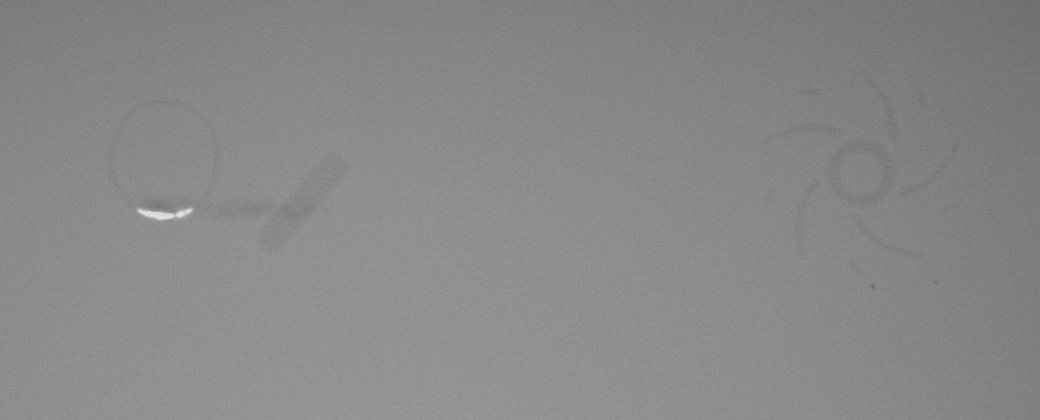
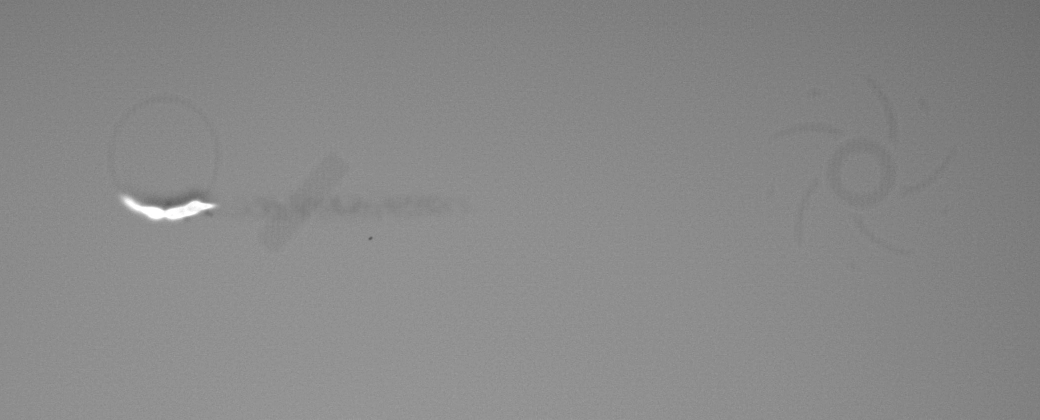
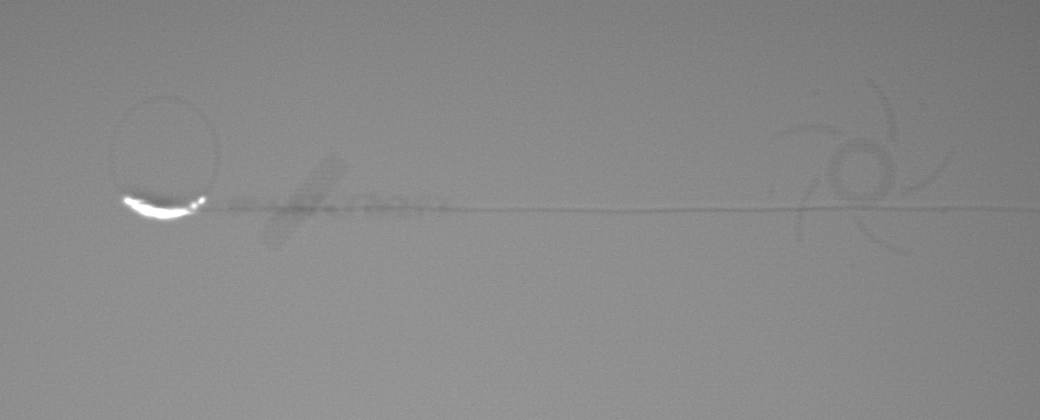
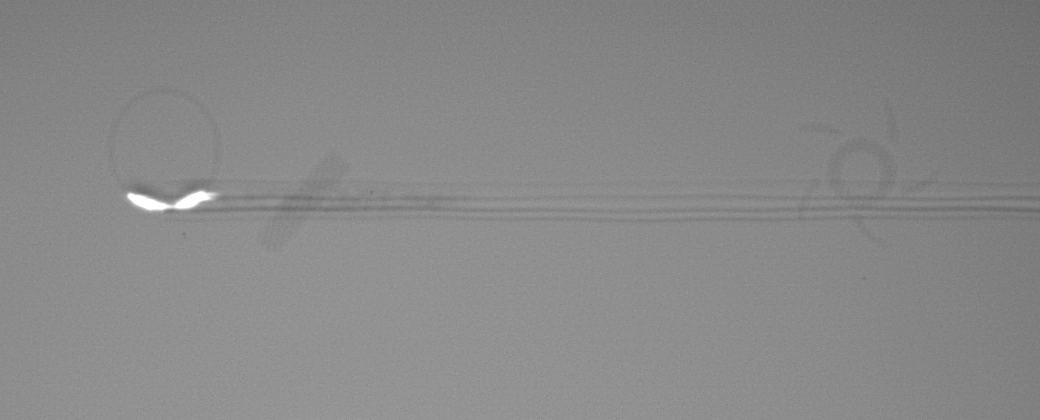
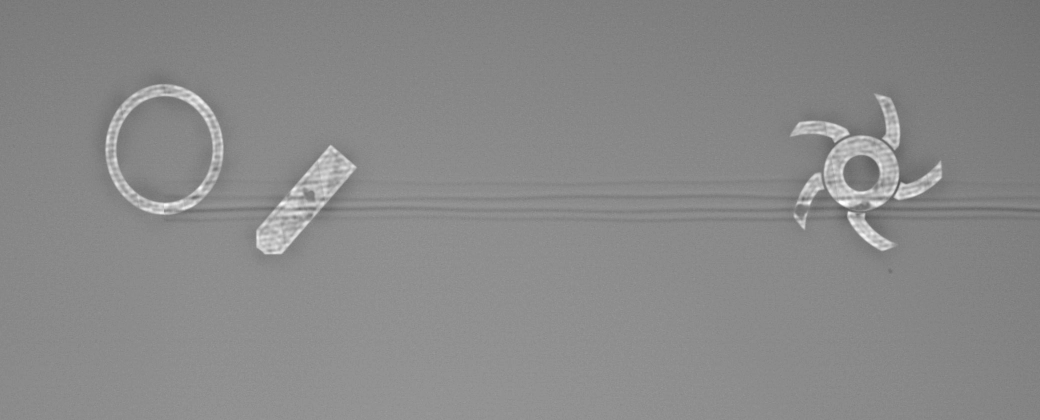
One lifted edge, three customers.
Euler flags the duct while its edge is still lifting, before the recoater reaches it. If the build runs on, the same record shows which parts the streak crossed and which it never touched.

The whole plate, part by part.
The heatmap shows where the duct’s edge lifted. The line is the streak the blade dragged from there, across the two parts behind it; the other 17 are clear of it.
Customer documentation
The report is ready when the build is
Summary, layer profile, defect graphs, heatmaps, alerts and comments on one page. Limit it to a layer range and the defects on parts, save it as PDF, and attach it to the delivery.
- Print job name
- Gripper jaw GJ-15
- Tags
- Nordvik Robotics
- Total layers
- 1,873
- Critical alerts
- 0
- Layer profile
- Print job name
- Bike crank BC-2
- Tags
- Halden Cycles
- Total layers
- 2,410
- Critical alerts
- 1
- Layer profile
- Print job name
- Valve body VB-11
- Tags
- Brenna Hydraulics
- Total layers
- 1,402
- Critical alerts
- 0
- Layer profile
- Print job name
- Heat sink HS-7
- Tags
- Solberg Power
- Total layers
- 2,684
- Critical alerts
- 0
- Layer profile
A report per customer build.
Each finished build has its own report, without anyone writing it.
A link the customer can open.
Share the print itself, opened on the layer you want them to see.
Customers
What customers say, and what was measured

“I chose to work with Euler because of the simplicity. With the Euler platform we can drastically lower inspection time. It’s easy, quick, plug-and-play, and immediately brings value.”

 White paper$115k+a year in machine operating cost could be saved by stopping failed builds early.Estimate using the Wohlers Report’s $75 an hour for a $1M machine running 80% of the time. Material, labor and post-processing are not included.Read the white paper

“The later in the stage it fails, the more expensive it gets.”
FAQ
Before you put it on the floor
Ready to try it on your next build?
Free to start, with the data you already have.
Connect a printer or upload a finished build.